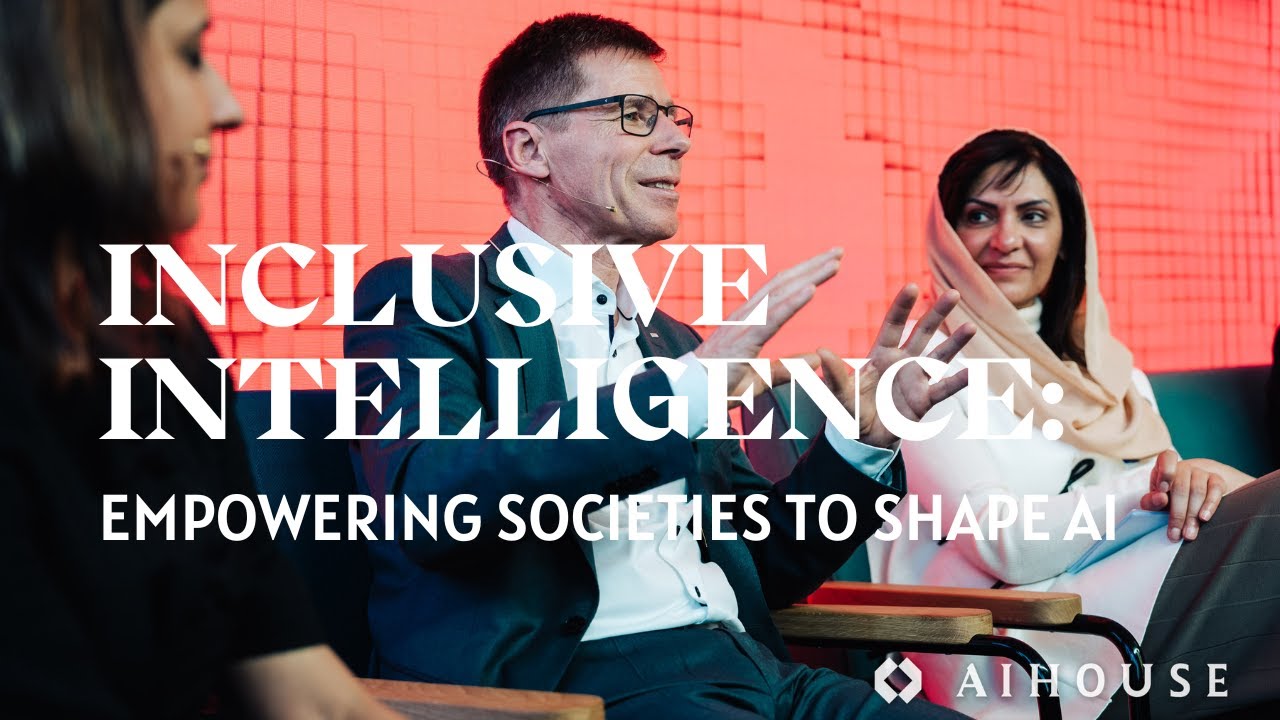
Executive Summary
The panel discussion on "Inclusive Intelligence: Empowering Societies to Shape AI" at Davos centered on the critical need to ensure that AI development benefits all of society, particularly those in the global south and marginalized communities. Panelists emphasized the importance of building AI solutions rooted in local languages, laws, and cultures, and cautioned against the dominance of Western-centric models. A key theme was the role of education in promoting AI literacy, critical thinking, and ethical considerations, starting from early childhood and continuing throughout life. Universities were identified as crucial players in adapting to the changing landscape of AI and preparing students for the future workforce. The discussion also addressed the potential for AI to disrupt various sectors and the need for upskilling and reskilling initiatives to mitigate job displacement and promote economic opportunity. Panelists agreed that governments and communities must take ownership of AI development and ensure it aligns with their values and needs. Concerns were raised about the potential for AI to exacerbate existing inequalities and the need to make it accessible to all, regardless of socioeconomic status or ability. The panel also explored the ethical implications of AI, including the potential for misuse and the need for robust governance frameworks. A novel idea presented was the creation of a 'CERN for AI' to foster global collaboration and address the challenges of AI development. The panel concluded with a call for optimism and a recognition of the power that individuals and communities have to shape the future of AI in a more inclusive and equitable way, while also warning against the dangers of the attention economy business model driving AI development. The panelists also highlighted the importance of open-source models to allow for customization and adaptation to local needs.
Panelists
- Inclusive AI should be fair, accessible, and beneficial to everyone, including neurodivergent individuals and those with disabilities.
- AI education should be moved out to communities and neighborhood areas to be more inclusive.
- Advocates for tokenizing AI to make it cheaper and more accessible.
- Identifies administrative tasks, healthcare, and manufacturing/logistics as sectors ripe for AI disruption.
- Universities have a special responsibility to fight biases in AI development.
- Advocates for open-source AI models to promote accessibility and customization.
- Highlights the importance of long-term investment in expertise and infrastructure for AI development.
- Points out the potential for the global south to leapfrog existing technologies and adopt AI directly.
- Universities must adapt to the changing landscape of AI and its impact on education and employment.
- Sees a resurgence of interest in fields like mechanical engineering when combined with AI and data expertise.
- Distinguishes between using AI tools and having the algorithmic thinking capabilities to develop them.
- Highlights the slow pace of implementing AI education in schools and the need for greater agility.
Main Discussion Points
- Defining inclusive intelligence and its importance in ensuring AI benefits all of society.
- The challenges of building AI solutions that are relevant and accessible to diverse cultures and languages, particularly in the global south.
- The role of universities in promoting AI literacy, critical thinking, and ethical considerations.
- The potential for AI to disrupt various sectors, including healthcare, manufacturing, and administration, and the need for upskilling and reskilling initiatives.
- The importance of governments and communities taking ownership of AI development and ensuring it aligns with their values and needs.
- The need to address the potential for AI to exacerbate existing inequalities and the importance of making it accessible to all, regardless of socioeconomic status or ability.
Key Insights
✓ Consensus Points
- The importance of inclusivity in AI development and ensuring that it benefits all members of society.
- The need for AI education and literacy to start early in schools and continue throughout life.
- The role of universities in promoting AI research, education, and ethical considerations.
- The potential for AI to disrupt various sectors and the need to prepare for these changes through upskilling and reskilling initiatives.
- The importance of governments and communities taking ownership of AI development and ensuring it aligns with their values and needs.
⚡ Controversial Points
- The speed at which Europe is adopting and implementing AI technologies compared to other regions.
- The potential for AI to be used for malicious purposes, such as creating fake videos or endangering democracies.
- The debate on whether AI will replace jobs or simply change the nature of work, requiring new skills and competencies.
🔮 Future Outlook
- AI will fundamentally change universities and the way education is delivered.
- There will be a growing need for upskilling and reskilling initiatives to prepare the workforce for the changing job market.
- The global south has the potential to leapfrog existing technologies and adopt AI directly.
- Governments will need to develop new governance frameworks and regulations to address the ethical and societal implications of AI.
- The attention economy business model for AI is unsustainable and could lead to negative consequences for society.
💡 Novel Insights
- The idea of tokenizing AI to make it cheaper and more accessible.
- The concept of a 'CERN for AI' to promote global collaboration and address the challenges of AI development.
- The observation that AI is empowering right-brain thinkers and those who may not excel in traditional STEM fields.
- The warning against the attention economy business model driving AI development due to its potential for epistemic fracture and reinforcement of echo chambers.